How to stay connected to kids when divorced
How to stay connected to kids when divorced starts with consistency, not grand gestures. Children usually feel connection through predictable routines, clear communication, and steady emotional availability. The goal is to create a reliable bond that feels safe across two homes, changing schedules, and different parenting styles.
Key takeaway: Children stay connected when they can count on a parent’s presence, voice, and follow-through. Small, repeated habits often matter more than occasional big moments.
How to stay connected to kids when divorced
Divorce changes the family structure, but it does not have to weaken the parent-child bond. Connection is built through repeated contact, respectful co-parenting, and child-centered communication. The strongest approach depends on the child’s age, temperament, and schedule, but the same principle applies across situations. Keep the relationship steady, clear, and low-pressure.
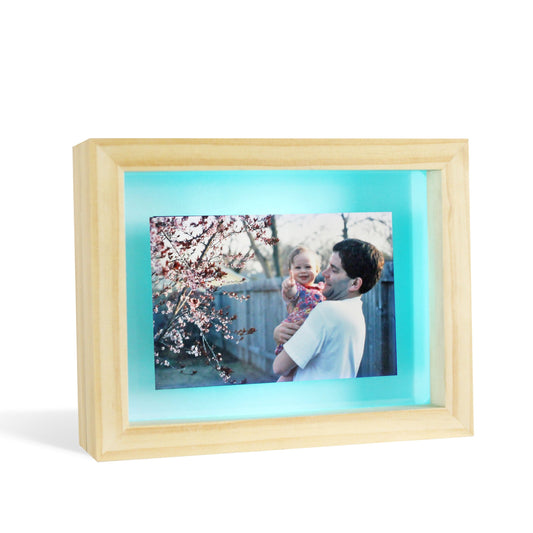
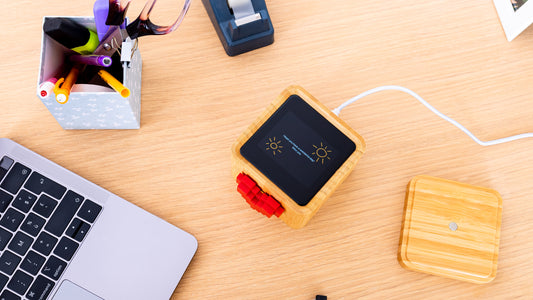
For many families, it helps to think in terms of emotional connection rather than constant access. A child does not need long conversations every day to feel close. A short voice note, a predictable bedtime check-in, or a note in a backpack can do more than a rushed discussion. For families looking for a tangible way to send daily encouragement, a family gift to share photos and messages at home can support small, regular touchpoints in a simple format.
Use a decision framework before choosing a routine
Before setting habits, consider five practical criteria. First, the child’s age. Younger children often need shorter, more visual contact. Second, the custody schedule. A routine must fit real transition days, school nights, and travel time. Third, the child’s comfort level. Some children want frequent contact, while others need space after transitions.
Fourth, the co-parenting dynamic. If communication between homes is tense, use simple, neutral systems. Fifth, your own consistency. A routine only works if it can be maintained over time. A useful rule is to choose fewer habits and follow through well.
Build a connection routine that fits the child’s life
Connection works best when it is predictable. A weekly video call, a Tuesday text, or a Sunday breakfast check-in gives the child something stable to expect. That stability can be especially helpful after a transition day, when kids may feel tired or emotionally overloaded.
Keep the routine short enough to protect it from conflict and schedule changes. Ten minutes of focused attention may be more useful than an hour that keeps getting interrupted. If the child is younger, try a simple ritual such as reading the same bedtime book during each call or sharing one highlight from the day.
Make communication age-appropriate
Children respond better when the format matches their developmental stage. Younger kids often prefer drawings, stickers, voice messages, or photo exchanges. School-age children may like structured questions, jokes, or shared countdowns to the next visit. Teenagers may prefer less frequent contact that feels respectful and not overly monitored.
Do not force long emotional talks if the child is not ready. Connection often grows through low-pressure contact. A brief check-in like “What was the best part of your day?” can open the door without making the conversation feel like an interrogation. The best questions are open-ended, specific, and easy to answer.
Keep transitions calm and child-focused
Transition days can influence how connected a child feels. If the handoff is rushed or tense, the child may associate contact with stress. Keep pickup and drop-off logistics as simple as possible. Use a shared calendar, confirm times in advance, and avoid adult conflict during transitions.
It also helps to create a transition ritual. Some families use the same snack, a favorite song, or a five-minute decompression period after arrival. Others leave a small note in a bag or send a message before bedtime. These repeated cues help the child move between homes without feeling emotionally split.
Protect the child from adult conflict
Children stay connected more easily when they are not asked to manage adult emotions. Avoid using the child as a messenger, asking for information about the other parent, or talking negatively about the other home. Even subtle comments can make a child feel torn between loyalties.
Use neutral communication with the co-parent whenever possible. Short, factual messages reduce stress and keep the focus on the child’s needs. This is not only about courtesy. It gives the child permission to love both parents without feeling responsible for the relationship between them.
Show up in small ways between visits
Connection is often reinforced between scheduled visits. A quick good-morning message, a school-day check-in, or a reminder before an activity shows the child that they are still in your thoughts. If the child likes tangible reminders, send a photo of a shared memory, a drawing, or a small note tucked into a backpack.
These small gestures work because they create continuity. They tell the child that the relationship does not disappear when the visit ends. For parents who want more ideas for emotionally steady contact, connection rituals, daily check-ins, and shared calendars are practical starting points.
Use photos, voice notes, and shared memories wisely
Simple media can keep the bond active without adding pressure. Photos from the park, a short voice note after school, or a picture of the family pet can create a sense of shared life. The best use of these tools is not constant messaging. It is choosing a format the child can revisit.
Shared albums, message boards, or printed photo books can help younger children remember recent experiences. For some families, a regular photo or message display becomes part of the child’s room or home routine. This can support connection in a subtle, steady way.
Keep promises and follow through
Trust is a major part of staying connected. If a call is promised, make every effort to keep it. If plans change, explain the change clearly and give a new time. Children notice reliability, and repeated follow-through builds security over time.
When plans cannot be kept, acknowledge the miss without overexplaining. A simple apology and a new plan is usually enough. That approach teaches children that the relationship is dependable even when schedules are not.
Shortlist of practical ways to stay connected
These ideas work well because they are specific, repeatable, and easy to adjust. Choose the ones that fit your child’s age and your custody schedule.
- Weekly video calls. Best for school-age children and teens. Keep the format consistent, such as Sunday evening or Wednesday after dinner. Use one or two recurring questions so the call feels familiar.
- Bedtime voice notes. Useful when live calls are difficult. A short message can provide comfort without requiring a full conversation. Personalized sign-offs, a favorite phrase, or a shared joke can make it feel warm.
- Shared calendar or countdown board. Helps children see when they will next see each parent. This reduces uncertainty and gives younger kids a clear sense of time.
- Backpack notes or lunchbox messages. Good for younger children who enjoy surprises. Keep messages brief, encouraging, and specific to the child’s day or interest.
- Photo exchange after school. A simple picture of homework, a pet, or a finished project can keep the bond active. It also invites the child to share their own world.
- Monthly one-on-one activity. This could be a library trip, cooking project, or walk in the park. Shared activity often creates more connection than a formal conversation.
- Regular mail or printed keepsakes. A card, a drawing, or a printed photo can feel more permanent than a text. This works especially well for children who like to hold onto reminders.
What to avoid when trying to stay close
Some habits can unintentionally create distance. The most common mistake is trying to replace lost time with too much contact. Children may feel overwhelmed if every interaction turns into a test of closeness. Another common problem is inconsistency. A child will trust a small routine more than a large promise that keeps changing.
It is also important to avoid emotional overloading. Children should not feel responsible for a parent’s sadness, anger, or loneliness. Support can be honest without being heavy. Keep the child in the role of child, not counselor or mediator.
Finally, avoid treating connection like a performance. A good relationship after divorce is usually built from ordinary, repeated moments. Shared meals, school pickups, music in the car, and brief calls can matter more than a perfect plan.
How to adjust by age
Young children
Young children need simple, sensory, and predictable contact. Short videos, voice notes, and visible routines work well. A stuffed animal, bedtime story, or recurring phrase can help them feel linked to both homes. Keep explanations concrete and avoid long emotional discussions.
School-age children
School-age children often enjoy structure and participation. Give them choices about call times when possible, and ask about their activities, friends, and interests. They may also like helping with a shared project, such as decorating a journal or choosing photos for an album.
Teenagers
Teens usually value respect and autonomy. They may want shorter, less frequent contact, but they still need reliability. Keep communication direct, avoid excessive questioning, and make room for the teen’s schedule, friendships, and privacy.
When extra support may help
Sometimes distance after divorce is affected by conflict, relocation, or a child’s emotional distress. If a child becomes withdrawn, anxious, or resistant to contact, a family therapist or child counselor may help identify the problem. Support can also be useful when parents need help building a stable co-parenting structure.
Professional guidance can be especially helpful when communication between homes is strained. A neutral plan can reduce pressure and make it easier for the child to stay connected without feeling caught in the middle.
Faq
How often should a divorced parent talk to their child?
Frequency depends on the child’s age, schedule, and comfort level. Younger children may do better with shorter, more frequent contact, while teens often prefer fewer but more respectful check-ins. The best pattern is one that can stay consistent. A predictable routine usually matters more than the number of messages.
Consistency helps children know what to expect, which can reduce anxiety during transitions.
What if my child does not want to talk often?
Respect the child’s pace while keeping the door open. Children sometimes pull back because they are tired, overwhelmed, or adjusting to new routines. A short message, a photo, or a simple note can keep the connection alive without pressure. Avoid making the contact feel like an obligation or a loyalty test.
Over time, low-pressure contact often feels safer than forced conversation.
How can a parent stay connected during high-conflict divorce?
Use child-focused communication, short messages, and predictable routines. Keep adult issues out of the child’s presence, and do not ask the child to carry information between homes. Written plans, shared calendars, and neutral handoffs can reduce conflict and protect the parent-child relationship.
When needed, a mediator or family therapist can help make the system more stable.
Can small gifts help children feel connected?
Yes, if the gift is simple, useful, and emotionally thoughtful. A note, a drawing, or a small keepsake can reinforce connection without turning the relationship into a material exchange. The value comes from the meaning attached to it, not the cost. Tangible reminders work best when they support a routine, not replace one.
For many families, the strongest connection still comes from dependable contact and attention.
Bottom line
How to stay connected to kids when divorced comes down to steady routines, age-appropriate communication, and calm co-parenting. Children usually feel closest to the parent who is predictable, emotionally available, and respectful of their world. Small habits, repeated often, can keep the bond strong across two homes.