Perfect Valentine’s gift idea for hard to buy for
The perfect Valentine’s gift idea for hard to buy for people is usually not the most expensive option. It is the one that feels personal, useful, and easy to enjoy without guessing their exact taste. The strongest gifts solve a real problem, create a memory, or make daily life feel more thoughtful.
Key takeaway: Choose a Valentine’s gift that is personal, low pressure, and easy to use. When someone is hard to shop for, a gift with emotion, flexibility, or daily value usually lands better than a trendy item.
Perfect Valentine’s gift idea for hard to buy for people: what to look for
Before choosing a gift, use a simple filter. Hard-to-shop-for recipients usually respond better to gifts that feel considered rather than flashy. The goal is to reduce guesswork and increase relevance.
Start with these criteria:
- Daily usefulness: The gift should fit into a normal routine, not sit in a drawer.
- Personal meaning: It should connect to a shared memory, habit, or message.
- Low risk: Avoid sizes, styles, or categories that depend on taste you cannot confirm.
- Easy setup: A good gift should be simple to open, understand, and enjoy.
- Room for personalization: Small custom details often matter more than a large price tag.
This is where thoughtful communication matters. A gift that carries a note, a recurring message, or a shared ritual often feels more complete than something decorative. For couples who want something emotionally rich, gift ideas for a new relationship can also help narrow down what feels sincere without being too intense.
Shortlist of Valentine’s gifts that work well for hard to buy for people
1. A message-based keepsake that turns into a ritual
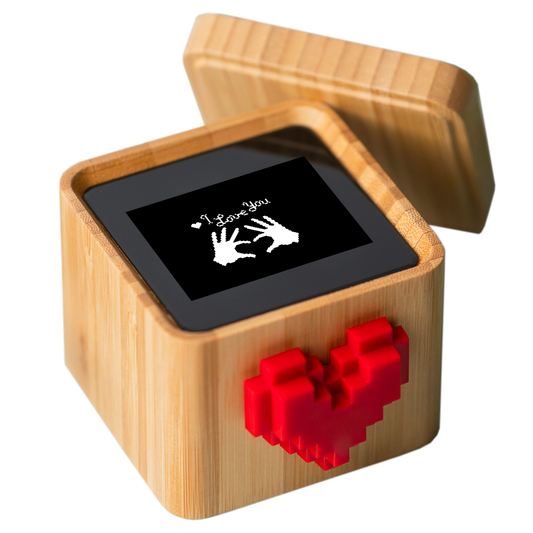
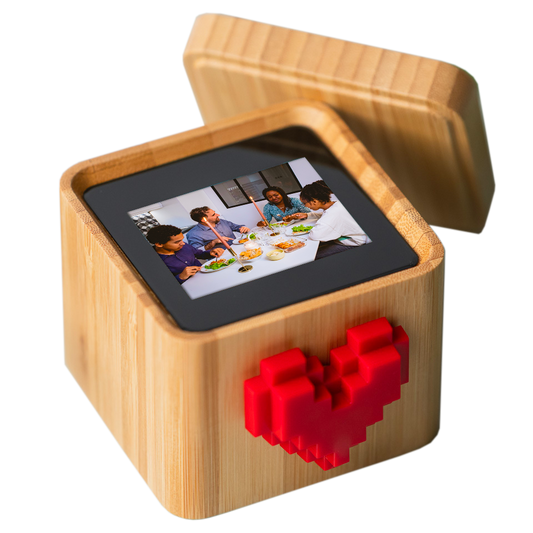
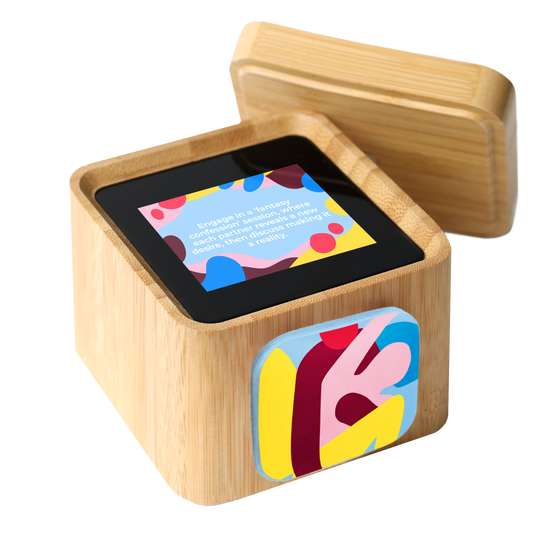
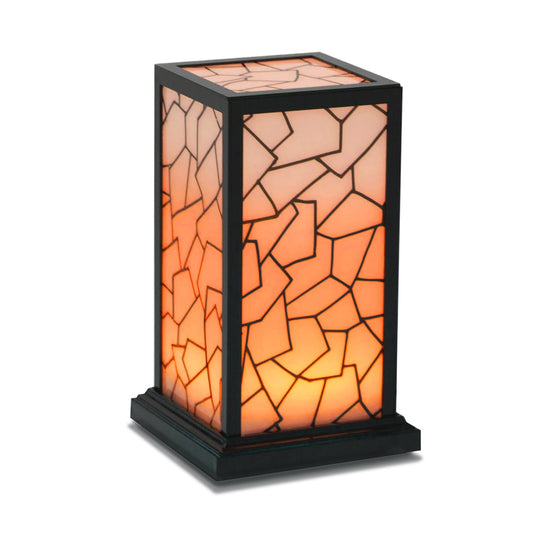
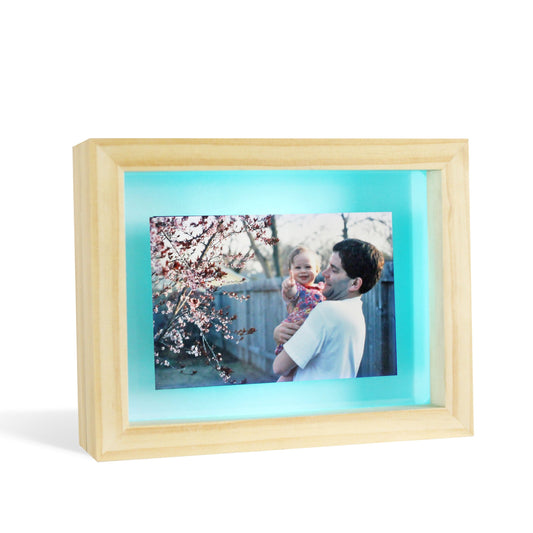
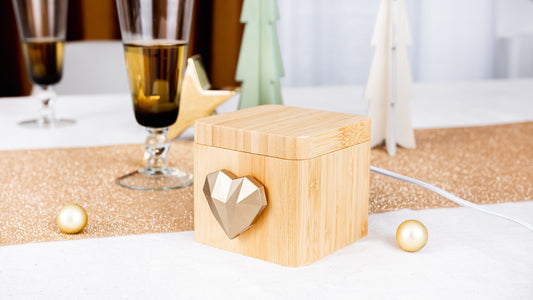
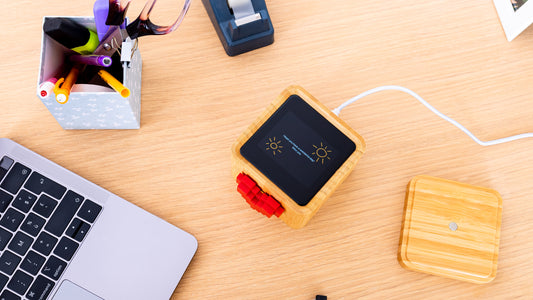
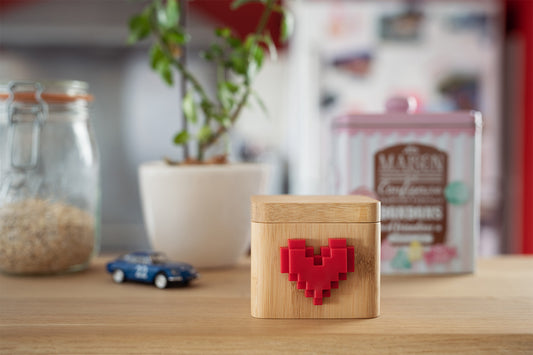
This works well for someone who does not want more stuff but still appreciates affection. A gift that lets one person send notes, photos, or short messages adds emotion without depending on a specific hobby. Lovebox fits this need especially well because it is simple, personal, and easy to use across different relationship styles.
It becomes even stronger when the gift includes a first message already waiting inside. Add a reason you chose it, a favorite memory, or a plan for weekly check-ins. That kind of structure makes the gift feel intentional, not generic.
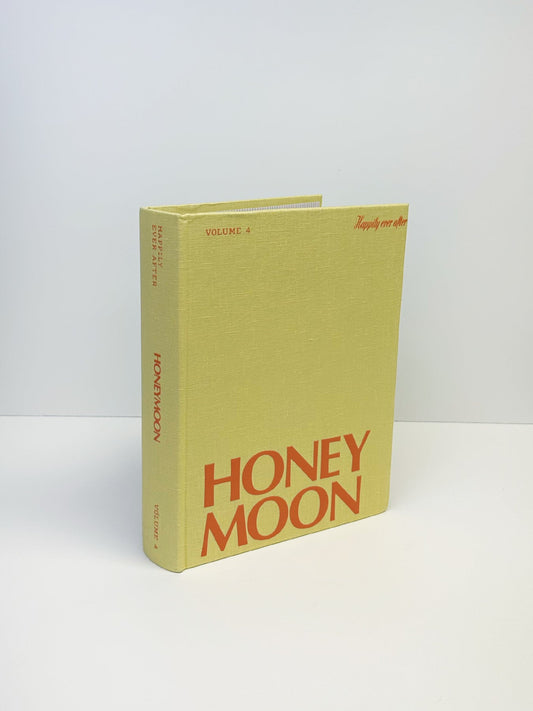
2. A custom photo book with a narrow theme
A photo book is better when it has a clear angle, such as one trip, one year, or one shared tradition. That keeps it from feeling like a random collage. It suits people who value memory and sentiment more than utility.
Keep the design clean. Too many images or captions can make it feel cluttered. A short title, a handful of strong photos, and a few meaningful notes usually create more impact.
3. A practical item with one personalized detail
Some people dislike emotional gifts that feel overly ornate, but they still respond well to something useful with a personal touch. That could be a travel mug, desk accessory, blanket, or leather item engraved with initials, a date, or a short phrase. The personalization makes the object feel chosen for them.
This is a good option when the recipient values function first. The key is not to over-customize. One detail is enough when the base item is already something they would use often.
4. A subscription that matches a real habit
Subscriptions work when they support something the recipient already does, such as reading, coffee, skincare, cooking, or music. That makes the gift useful for more than one day. It also lowers the pressure of picking a single perfect object.
Choose a service that feels specific, not broad. A subscription tied to a hobby usually feels more thoughtful than a generic box of random products.
5. A shared experience booked in advance
Tickets, reservations, or a planned class can be a strong Valentine’s pick for people who claim they do not need gifts. Experiences create a memory and avoid the clutter problem. They also work well when the recipient prefers time over objects.
Make the plan clear. Include the date, the reason it fits them, and what makes it special. A vague promise to do something later feels weaker than a concrete plan.
6. A compact self-care bundle with a specific use case
Self-care can work when it is tailored to a routine, such as stress relief after work, weekend reset, or travel recovery. Combine a few items that support one theme. For example, tea, a candle, and a note can become a “slow evening” kit.
This option works best when the items are practical and not overly gendered. The more clearly the bundle serves one situation, the less generic it feels.
7. A memory jar or note-based gift
For recipients who are hard to shop for because they already own what they need, words can outperform objects. A jar of notes, reasons, or shared memories can feel deeply personal. It is low cost, but it still requires real thought.
Use specific memories instead of broad compliments. Details make the gift believable and more moving.
8. A long-distance connection gift
When the relationship involves distance, connection can matter more than surprise. A gift that supports regular contact, like daily notes or photo sharing, may be the right fit. This is one reason a tool like Lovebox often works well for couples who want something emotional and interactive rather than decorative.
If the goal is to keep the bond active after Valentine’s Day, this kind of gift has staying power. It can turn one date into a recurring habit, which often matters more than a one-time wow moment. For a wider buying range, long distance gift ideas for couples apart can help refine the choice further.
How to personalize the gift without overthinking it
Personalization does not need to be elaborate. Small choices often have the strongest effect because they show attention without feeling forced.
- Use a shared reference: a place, phrase, date, inside joke, or song lyric.
- Match the recipient’s style: calm, playful, minimal, practical, or sentimental.
- Add one meaningful message: keep it short and specific.
- Include a use plan: explain when or how the gift should be used.
A useful rule is to personalize the gift in one place only. If the item is already highly customized, keep the note simple. If the item is plain, make the message more personal. That balance keeps the gift clean and thoughtful.
Budget guidance for a Valentine’s gift that feels thoughtful
Budget matters less than fit, but it still helps to set a range before shopping. A hard-to-buy-for recipient is more likely to appreciate relevance than a high price. Choose a budget based on how personalized the gift needs to be, not on what looks impressive.
At lower budgets, notes, memory-based gifts, or small practical items can work very well. In the middle range, personalization and packaging become easier to combine. At a higher budget, a meaningful experience, a premium keepsake, or a connection-focused gift can feel complete without becoming excessive.
If the gift is for a partner, spending should still feel comfortable and intentional. A thoughtful item with a clear purpose often performs better than a large gift with no emotional link. The right answer is the one that fits the relationship and the occasion.
Common mistakes when shopping for hard-to-buy-for people
Some Valentine’s gifts miss the mark because they try too hard to impress. Others fail because they are too broad. These mistakes are easy to avoid with a little structure.
- Buying for a category instead of a person: not every man, woman, or couple wants the same thing.
- Choosing novelty over relevance: funny gifts can be forgotten fast if they are not useful.
- Overpersonalizing everything: too many custom details can make the gift feel cluttered.
- Waiting for the last minute: rushed gifts often feel less intentional.
- Ignoring the recipient’s lifestyle: a beautiful gift still fails if it does not fit how they live.
The safest route is to focus on one clear insight about the recipient. That might be their schedule, their values, their favorite routine, or the way they stay in touch. A well-matched gift is usually easier to choose than it seems.
FAQ
What is the best Valentine’s gift idea for someone hard to buy for?
The best option is usually something personal, useful, and easy to enjoy. A gift that supports a daily habit, preserves a memory, or creates a shared ritual tends to work well. If the recipient values connection, a message-based gift can be especially strong because it feels thoughtful without requiring a perfect guess about taste.
Are personalized gifts a good choice for hard-to-shop-for people?
Yes, if the personalization is simple and relevant. A name, date, message, or shared reference can make an otherwise basic item feel more considered. The best personalized gifts do not rely on novelty. They use one clear detail that reminds the recipient why the gift was chosen for them.
What should be avoided when buying a Valentine’s gift for someone hard to shop for?
Avoid gifts that depend heavily on style, size, or a hobby you do not understand well. Also avoid overly generic items that could be given to anyone. A better choice usually comes from one concrete detail about the person’s routine, personality, or relationship to the giver.
Can a practical gift still feel romantic?
Yes. Practical gifts feel romantic when they are tied to care, memory, or consistency. A useful object with a meaningful note, or a gift that supports regular connection, can feel more intimate than something decorative. The emotional layer is what turns practicality into romance.
Is Lovebox a good Valentine’s gift for someone hard to buy for?
Lovebox can be a strong choice because it combines personalization, daily connection, and a simple user experience. It works well for couples who value messages and small rituals. The gift feels thoughtful without needing the recipient to have a specific hobby or taste.
For someone hard to buy for, the best Valentine’s gift usually does one thing well. It either makes life easier, preserves a memory, or helps the relationship feel closer. That clarity is what turns a difficult shopping decision into a confident one.
,