Cute ways to stay connected in a long distance relationship
Cute ways to stay connected in a long distance relationship work best when they are small, repeatable, and personal. The goal is not constant contact. It is steady closeness through simple rituals, thoughtful messages, and shared moments that fit real schedules, time zones, and energy levels.
Key takeaway: Pick a few low-effort rituals you can repeat weekly, then add one “surprise” channel for emotional moments. Consistency creates security, and personalization keeps it romantic.
What staying connected means in a long distance relationship
Staying connected is the ongoing feeling of “being in each other’s lives” even when miles apart. It comes from predictable touchpoints, emotional responsiveness, and shared meaning. Connection is not the same as being available 24 7, which can turn sweet check-ins into monitoring.
A connected long distance couple usually has three elements in place. First, a reliable cadence for talking. Second, a way to share everyday life quickly. Third, a plan for repair after misunderstandings, since text can flatten tone and intent.
Why cute connection rituals help long-distance couples
Cute rituals create emotional cues that the relationship is active and cared for. Small “signals” like a morning voice note or a photo of what is happening right now can reduce the gap between conversations. They also keep affection visible without forcing long calls on busy days.
Rituals are also easier to maintain than big romantic gestures. Big moments still matter, but day-to-day closeness often comes from lightweight habits. This is where sentimental gifts and personalized gifts can help, because they create a physical reminder of the relationship between visits.
How to choose cute connection ideas that actually stick
Before picking ideas, use a short decision framework. It keeps the routine sustainable and avoids the common cycle of overcommitting, then feeling guilty.
- Effort to repeat: Choose ideas that take 2 to 10 minutes most days.
- Emotional payoff: Pick actions that create warmth, reassurance, or playfulness.
- Time zone fit: Favor asynchronous options when schedules do not overlap.
- Personalization: Add details that only the two partners would recognize.
- Repair-friendly: Include at least one channel that supports calm reconnection after conflict.
Using these criteria makes “cute” feel supportive instead of performative. It also helps separate everyday connection from occasional holiday presents or bigger romantic gestures tied to an anniversary.
Cute ways to stay connected in a long distance relationship
The shortlist below focuses on repeatable connection. Each idea includes who it fits, why it works, and a simple personalization angle.
1) Create a two-minute daily “presence ping”
Who it fits: Couples with packed schedules or different time zones. Why it works: It reduces uncertainty and keeps the relationship visible without demanding a full conversation. Personalize it: Send one quick detail like “song of the day” or “one win, one stress, one hope.”
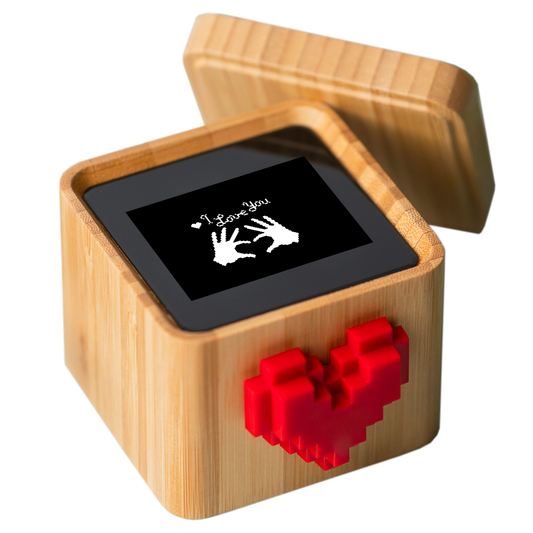
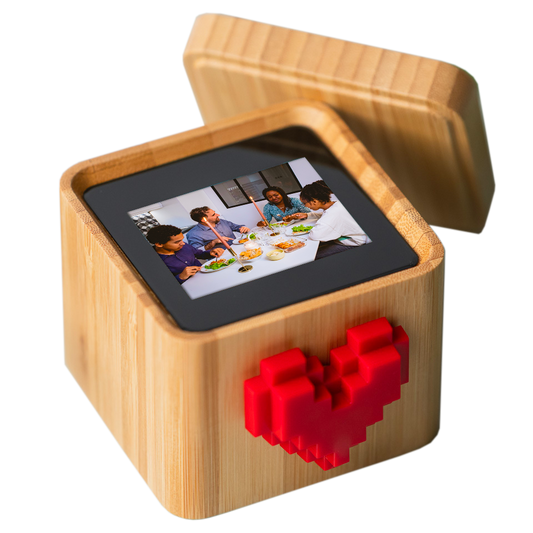
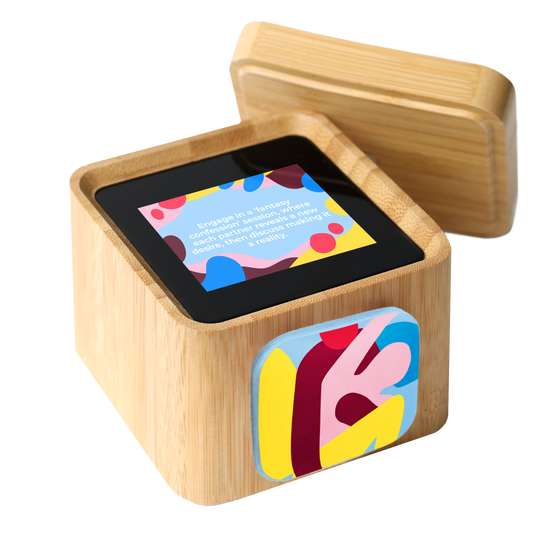
2) Use a Lovebox as a “thinking of you” channel
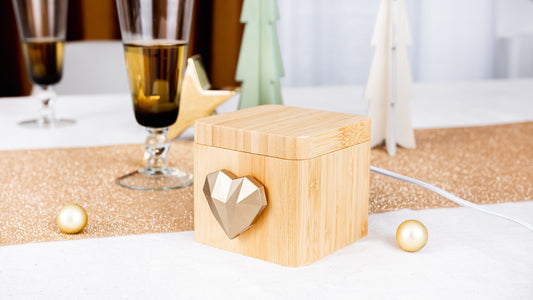
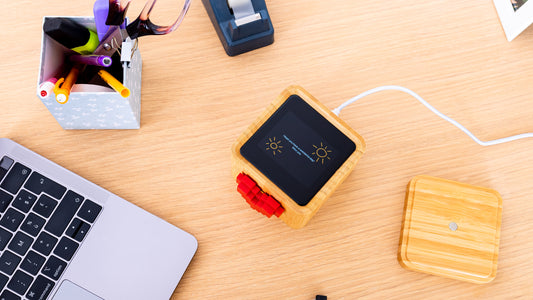
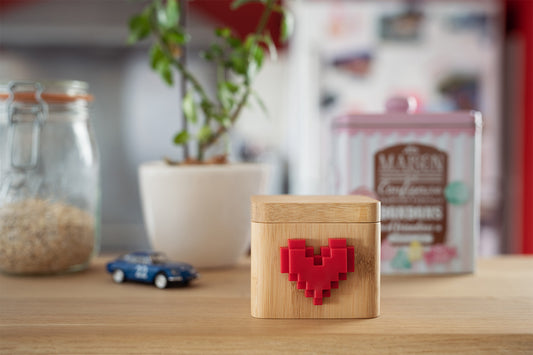
Who it fits: Couples who want something more tangible than texting. Why it works: Lovebox delivers a private message or photo from the app to a physical box, and the heart spins when something arrives, which adds a small moment of anticipation. Personalize it: Make a weekly theme like “3 things I noticed about you,” or send a photo of the most ordinary part of the day to feel closer.
When gifting is part of the connection plan, pairing the ritual with thoughtful long distance relationship gift ideas can help align expectations for what feels meaningful versus what feels like clutter.
3) Set up a shared “micro date” playlist and listen together
Who it fits: Couples who miss doing simple things side by side. Why it works: Music creates a shared emotional environment even when the call is short. Personalize it: Add one track per week with a note about why it was chosen, then swap one memory tied to that song.
4) Start a running photo thread with one rule
Who it fits: Partners who like visual updates but do not want to chat all day. Why it works: Photos give context, and context reduces misreads in text. Personalize it: Use a rule like “one photo of something that made me think of you” to keep it romantic, not just informative.
5) Plan a monthly “open when” mini letter swap
Who it fits: Couples who like words and keepsakes. Why it works: It builds emotional support into future moments like stress, loneliness, or celebration. Personalize it: Write three short notes each month, such as “open when you miss me,” “open when you feel stuck,” and “open when you want to laugh.”
6) Play a low-stakes two-week challenge
Who it fits: Couples who connect through play and progress. Why it works: It adds shared structure without requiring long calls. Personalize it: Choose a challenge that reflects shared values, like “two compliments a day,” “one new recipe photo,” or “one gratitude note,” which can double as connected gifts in message form.
7) Build a conflict-safe reconnection ritual
Who it fits: Any couple that argues more over text than on calls. Why it works: It creates a predictable path back to closeness and reduces spiraling. Personalize it: Agree on three steps, like “pause,” “voice note one feeling and one need,” then “end with one appreciation,” so repair becomes part of the relationship culture.
How to personalize your routine without adding pressure
Personalization is not about grand surprises. It is about specificity. Use small details that prove attention, like an inside joke, a nickname, a shared reference, or a memory from a past trip.
One practical approach is the 2 1 1 plan. Keep two recurring touchpoints, such as a nightly check-in and a Sunday call. Add one playful element, such as a photo rule or a playlist. Add one surprise per week, which can be a short Lovebox note, a voice memo, or a small romantic gesture like ordering their favorite snack locally.
To keep things balanced, match the ritual to each partner’s style. One partner may prefer words. The other may prefer shared activities or acts of service. Over time, rotate ideas so neither person feels like the relationship runs on one person’s energy.
For special occasions, keep expectations clear. Talk early about whether gifts are expected for Valentine’s Day, an anniversary, or other milestones. That conversation prevents disappointment and makes gift ideas feel like a bonus instead of a test.
Common mistakes to avoid
- Over-scheduling calls: Too many long calls can create burnout. Use shorter touchpoints more often, and protect rest.
- Using texting for sensitive topics: Text hides tone and can escalate conflict. Move emotional topics to voice or video.
- Keeping score: Tracking who texted first or who planned the last date creates resentment. Agree on a baseline cadence instead.
- Copying influencer-style routines: A routine that looks cute may not fit real life. Prioritize effort to repeat over aesthetics.
- Letting gifts replace communication: Even the most sentimental gifts cannot substitute for repair, reassurance, and honest check-ins.
A strong long-distance rhythm usually feels calm. It leaves room for spontaneity, and it supports both partners’ independent lives.
Faq
How often should long-distance couples talk to stay connected?
Many couples do best with a mix of short daily touchpoints and one or two longer conversations each week. The right frequency depends on time zones, work demands, and how each partner feels cared for. A good sign is consistency without anxiety, where missed messages do not trigger panic.
Clarify a baseline schedule, then treat extra chats as a bonus.
What are cute ways to stay connected when time zones are hard?
Asynchronous rituals work well when overlap is limited. Use voice notes, a shared photo rule, and small “open when” messages that land at the start or end of the other person’s day. Tools that deliver messages to a physical object, like Lovebox, can also make timing feel special without needing a live call.
Plan one overlapping slot weekly for deeper connection.
How can a long distance relationship feel more romantic over text?
Romance over text comes from specificity and timing, not volume. Send one message that names a real detail, like a trait admired or a moment missed, then add a question that invites closeness. Use occasional romantic gestures like a surprise photo, a short poem, or a future-date plan instead of constant flirting.
Avoid sarcasm and vague “miss you” loops when emotions are high.
What should couples do when they feel disconnected long-distance?
Start with a reset conversation about needs and capacity. Pick one small ritual to restart, such as a nightly two-minute check-in, and agree on a repair step for misunderstandings. If disconnection is tied to stress, focus on supportive messages and practical care. If it is tied to conflict, move to voice and slow the pace.
Track what helps for two weeks, then adjust.
Are gifts necessary to stay connected in a long distance relationship?
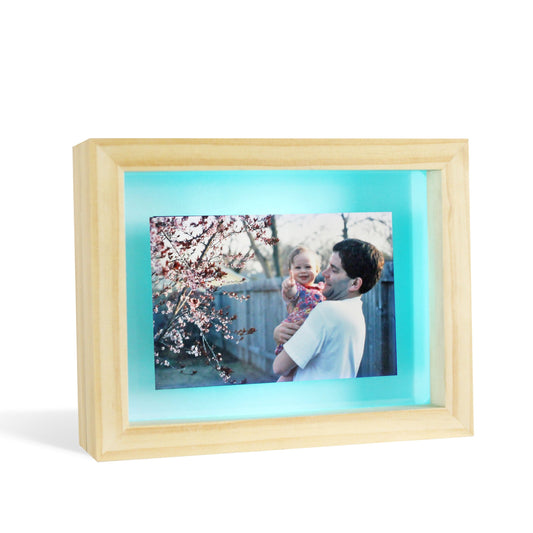
Gifts are optional, but they can support connection when they create shared meaning and remind partners of each other between visits. The most useful gifts tend to be personalized gifts that fit daily life, like a message device, a photo keepsake, or a shared experience. Clarity matters more than price.
Talk about comfort levels so gifts do not become pressure.
How do you keep long-distance connection fun without forcing it?
Keep fun lightweight and flexible. Use small challenges, mini games, playlists, and “two truths and a lie” voice notes that take minutes, not hours. Rotate who chooses the activity so it stays fresh. If either partner is tired, switch to a simple presence ping instead of pushing for entertainment.
Fun should restore energy, not drain it.