Valentine's gift ideas for couples who already have everything
Valentine's gift ideas for couple who have been together for years and have already offered everything work best when they reduce clutter and increase meaning. The smartest picks feel personal, create shared time, or capture memories. Use the criteria below to choose one gift that fits the relationship and lands as thoughtful, not predictable.
Key takeaway: For long-term couples, pick a Valentine’s gift that creates a moment or a ritual, not another object. Aim for a personalized experience, a keepsake with a story, or a “little-and-often” way to communicate affection.
Valentine's gift ideas for couple who have been together for years and have already offered eveything: how to choose the right one
When “they have everything,” the decision is rarely about price. It is about fit. Use this quick framework to narrow options before shopping.
- Meaning over stuff. Prefer gifts that trigger a memory, a laugh, or a shared plan. This is where sentimental gifts usually beat trendy gadgets.
- Daily life compatibility. Choose something that matches routines and space. A great gift often becomes a small habit rather than a one-time wow.
- Personalization level. Add names, dates, a private joke, or a message. Personalized gifts feel new even when the category is familiar.
- Time together. If schedules are packed, prioritize gifts that create dedicated time. If distance is involved, prioritize connection and consistency.
- Effort signal. The gift should show attention to details. A simple item can feel premium if it is clearly chosen for them.
Shortlist: 9 thoughtful options that still feel new
Each idea below includes who it fits, why it works for long-term partners, and a concrete way to tailor it. For couples who have already exchanged the usual gifts for couples, these options focus on experiences, memory, and connection.
1) Lovebox for everyday messages that do not feel like “just texting”
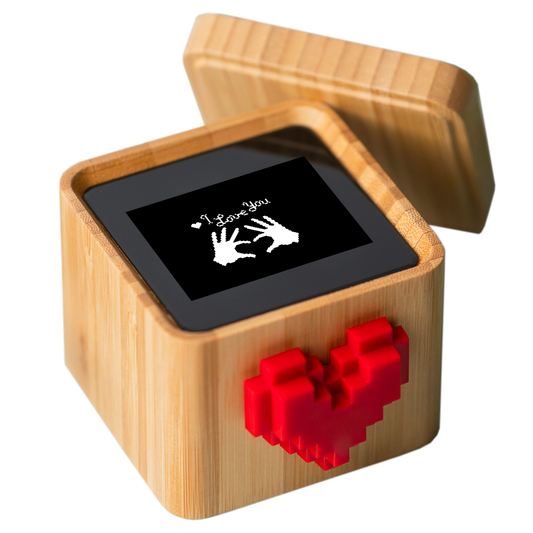
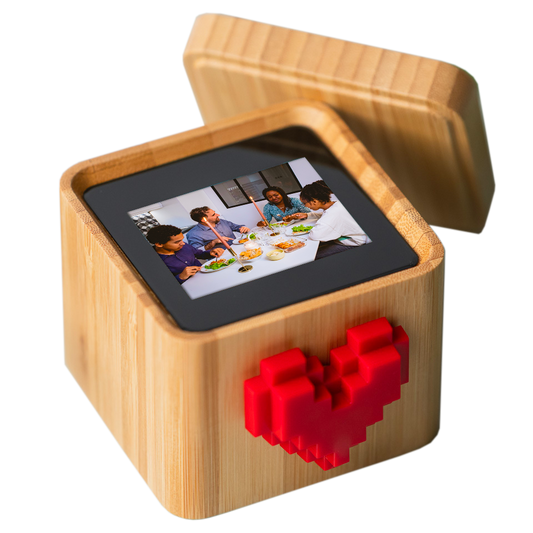
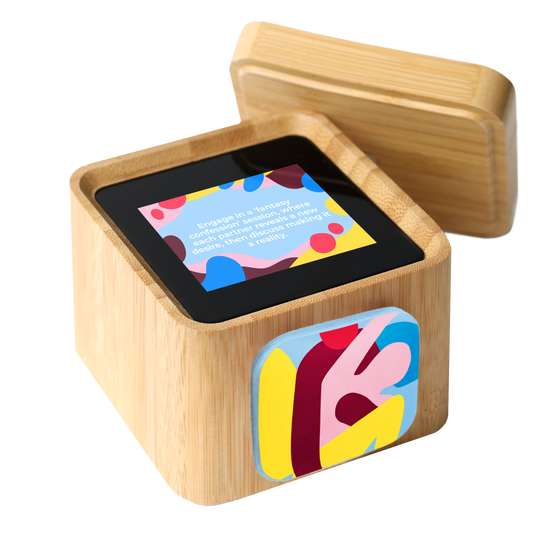
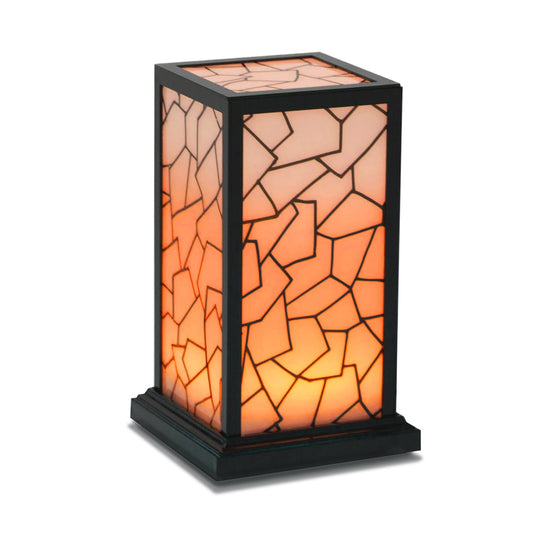
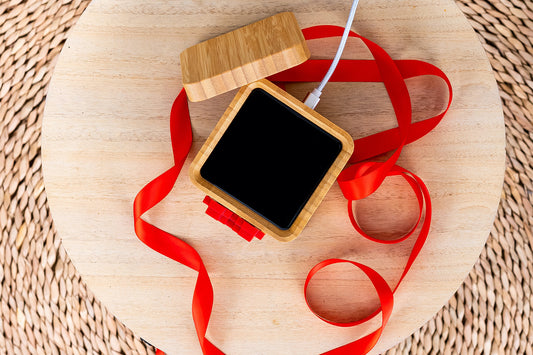
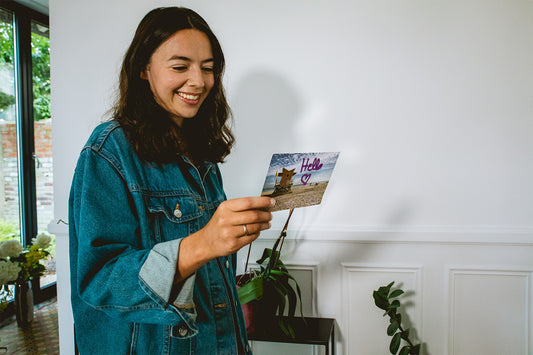
Who it fits: Couples who value words, inside jokes, and small check-ins, especially with travel, long commutes, or any long-distance stretch. Why it works: Lovebox turns short notes and photos into a tangible moment at home, with the signature spinning heart cue that invites attention. How to personalize: Pre-load a week of messages, include a photo from an early date, then keep it as a year-round ritual beyond Valentine’s Day.
2) A “re-create the night you met” reservation with a scripted surprise
Who it fits: Couples who like nostalgia and food. Why it works: It reframes a normal dinner into a story, which is often what long-term couples crave. How to personalize: Book the same cuisine, request the same table style, and bring a printed card with three memories and one new question for the next year.
3) A custom “relationship menu” and at-home tasting night
Who it fits: Couples who enjoy staying in, especially after busy seasons like Noël & fêtes. Why it works: It feels curated without adding clutter. How to personalize: Create a one-page menu with sections like “first date,” “our comfort meal,” and “future trip,” then pair each course with a short note or romantic gestures prompt.
4) A framed map with a twist: places lived, loved, and next
Who it fits: Couples who have moved, traveled, or built a home together. Why it works: It honors the long arc of the relationship, not just a single milestone. How to personalize: Use three small maps in one frame, add coordinates and dates, and leave one blank labeled “next” for a planned weekend away.
5) A “yes day” voucher with boundaries and a shared goal
Who it fits: Couples who are tired, overbooked, or stuck in routine. Why it works: It creates lightness and choice, without guessing the perfect object. How to personalize: Set rules like “under $50 per activity” or “no screens,” and add a goal like “take one photo that becomes our next holiday card.”
6) A private audio or video time capsule
Who it fits: Couples who already own enough things and prefer meaning. Why it works: It captures voice and expression, which age well over time. How to personalize: Record answers to 10 prompts, include one apology and one gratitude, then schedule the next recording for an anniversary.
7) A couples class that solves a real-life itch
Who it fits: Couples who like learning, or who want better shared hobbies. Why it works: It builds a “we” skill, not a single-use experience. How to personalize: Pick a class tied to a specific outcome, like pasta-making for hosting friends, dancing for a wedding season, or photography before a big trip.
8) A “favorite things” swap box with strict curation
Who it fits: Couples who enjoy playful gifting but want to avoid random stuff. Why it works: The rules force thoughtfulness, which keeps it from feeling like last-minute shopping. How to personalize: Do five items only, each under a set price, and attach a note explaining the story. This format also works well for connected gifts when apart.
9) A single upgraded household item with a shared ritual
Who it fits: Couples who value comfort and daily routines. Why it works: Upgrades feel luxurious when they remove friction, but still stay practical. How to personalize: Pair the item with a ritual card like “Sunday slow coffee,” “Tuesday candle dinner,” or “Friday movie,” so the gift becomes a habit.
How to personalize any gift so it feels specific to the couple
Personalization is not limited to engraving. It is any detail that proves attention. Even simple gift ideas can land as meaningful when they connect to shared history.
- Use their language. Add a phrase they actually say, a nickname, or a private joke. This is more powerful than a generic love quote.
- Anchor it to a date or place. First trip, first apartment, first concert, or the café that became “their spot.”
- Include one “future” element. Add a planned date, a booking placeholder, or a note about what to do next together.
- Make it interactive. Prompts, choices, or a mini-challenge gives the gift a second life after the unwrapping.
For couples who are hard to shop for, it helps to cross-check ideas against proven formats like Valentine’s Day gift ideas for someone hard to buy for and then choose the version that matches their routines.
Budget guidance: what to spend when the goal is meaning
Spending can signal effort, but the structure matters more than the number. Use these tiers to decide quickly, then focus on execution.
- Under $50: A curated at-home night, a “favorite things” mini swap, a printed photo set with captions, or a handwritten time capsule prompt deck. Add one high-effort detail like a playlist or a reservation for a later date.
- $50 to $150: A class for two, a framed map, an upgraded ritual item, or a Lovebox that supports ongoing messages and photos. This range is often enough for something that lasts without becoming clutter.
- $150 and up: A short getaway, a high-end dinner plus a planned follow-up date, or a bigger experience tied to a shared goal. Keep one physical memento, like a printed card with the plan and a photo from the day.
When budgets differ between partners, match effort instead of dollars. A well-designed plan with clear personalization can outweigh an expensive but generic object.
Common mistakes when gifting couples who already have everything
These missteps are common for long-term partners because the “usual” categories are already exhausted. Avoid them and the gift will feel cleaner and more intentional.
- Buying another version of something they already own. If it is not a true upgrade, it often becomes clutter or guilt.
- Choosing a gift with hidden work. A complex project, a high-maintenance item, or a reservation on a stressful day may backfire.
- Skipping the message. The note is often what makes the gift romantic. Add a short message that names one specific thing appreciated this year.
- Making it too public. Long-term love is often private. A meaningful message can be more impactful when it is not designed for social media.
- Over-optimizing for surprise. Some couples prefer a “surprise within boundaries.” Confirm dates and preferences, then surprise with the details.
Faq
What is a good Valentine’s gift for a couple that already has everything?
A good gift usually creates a shared moment or strengthens a habit, rather than adding another object. Choose an experience with a clear plan, a memory-based keepsake, or a communication ritual like Lovebox that delivers messages and photos in a more intentional way than standard texting.
Clarification: If storage space is tight, prioritize consumables, experiences, or one upgraded item tied to a weekly ritual.
How can a Valentine’s gift feel romantic after many years together?
Romance often comes from specificity, not novelty. Use a detail only the partner would recognize, like a date, a place, or a phrase from early in the relationship. Pair the gift with a short note that includes one memory and one future plan to keep it emotionally current.
Clarification: Even practical gifts can feel romantic when they include an intentional message and shared time.
Are experiences better than physical gifts for long-term couples?
Experiences can work well because they reduce clutter and create shared stories, which long-term couples often value. Physical gifts still make sense when they support daily life or preserve memories, like a framed map or a device that encourages connection. The best choice depends on routines and space.
Clarification: A hybrid approach often lands well, like a planned date plus a small keepsake.
What should be written in a Valentine’s card for a couple who has been together for years?
Keep it short and concrete. Include one specific appreciation from the past year, one memory that still matters, and one intention for the year ahead. Avoid generic lines that could fit anyone. A simple structure is “thank you for,” “I love when,” and “next, let’s.”
Clarification: If words are hard, use bullet points and keep each line to one sentence.
What is a good Valentine’s gift for long distance couples who have everything?
Long distance couples often benefit from gifts that create presence on ordinary days. Consider Lovebox for sending private notes and photos that arrive with a physical cue, or plan a coordinated date with the same meal and a shared playlist. The goal is consistent connection, not one big moment.
Clarification: If time zones are tough, schedule messages or plan a weekend “same time” window in advance.