Perfect valentine's gift idea for “hard to buy for” people
Shopping for a “hard to buy for” partner can feel like guessing their taste under pressure. A perfect valentine's gift idea for “hard to buy for” people starts with a simple framework: reduce preference risk, add personal meaning, and choose something that keeps the connection going after February 14. The goal is thoughtful, not complicated.
Key takeaway: Pick a gift that is low-risk (useful or experience-based), high-meaning (personalized), and easy to enjoy together, especially if you are apart.
How to choose a perfect valentine's gift idea for “hard to buy for”
“Hard to buy for” often means one of these things: they buy what they want, they dislike clutter, they have specific tastes, or they value experiences over objects. Use the criteria below to narrow options fast and avoid impulse buys that end up unused.
Decision framework: 5 criteria that reduce guesswork
- Preference risk: Avoid size, color, and style choices unless you are confident. Consumables, experiences, and personalized communication tools often have lower risk than clothing or decor.
- Personal meaning: Add a shared memory, an inside joke, or a message that only makes sense to the two of you. This is the difference between “nice” and “kept.”
- Use frequency: Choose something they can enjoy weekly, not once. This is why many sentimental gifts work better when they create an ongoing ritual.
- Distance-friendly delivery: If you are apart, prioritize gifts that arrive on time and still feel intimate. This is where connected gifts and long distance relationship gift ideas tend to outperform traditional items.
- Effort signal: A small gift with clear effort beats an expensive gift that feels random. A short note, a plan, or a curated selection shows intention.
If the relationship is new, keep the same framework but lower the intensity. Choose something practical or experience-based, then personalize lightly with a warm message. This approach fits valentine's day gifts for a new relationship without feeling overly serious.
Shortlist: 7 valentine's gift ideas that work for hard to shop for people
Each option below includes who it fits, why it works, and a quick way to personalize it. These are designed for picky partners, minimalists, and people who already “have everything,” including gifts for couples who live in different cities.
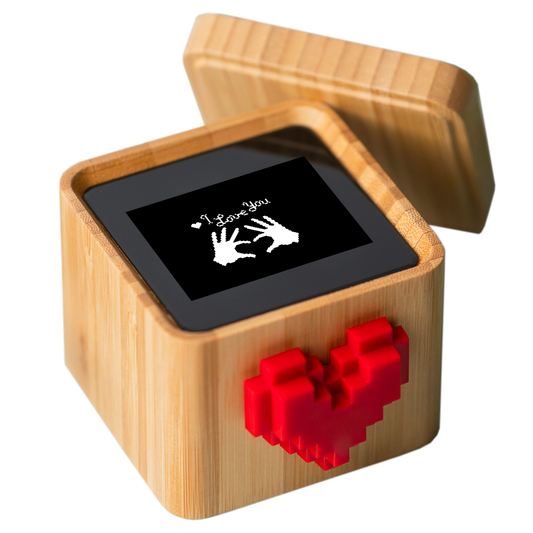
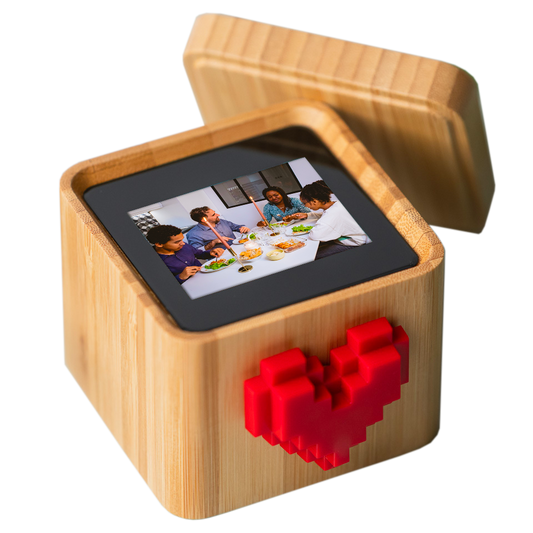
1) Lovebox message box for daily connection
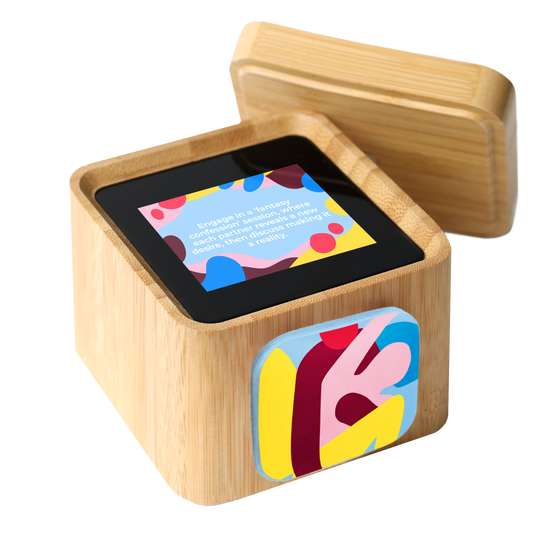
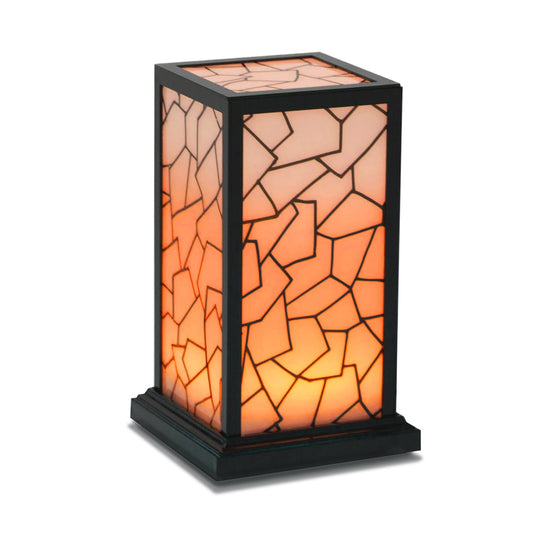
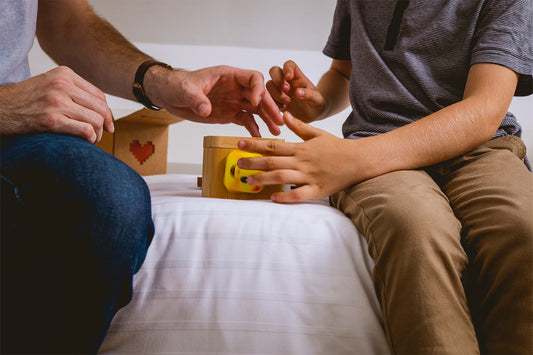
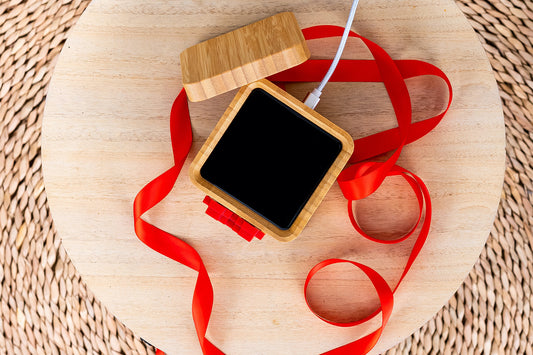
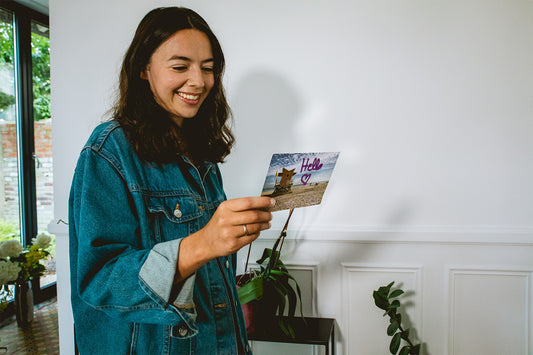
Who it fits: long-distance partners, busy couples, and anyone who values words over stuff. Why it works: Lovebox turns communication into a physical moment. When a message arrives, the heart spins, inviting them to open the box and read your note or see a photo sent from the app.
How to personalize: preload a week of short notes, one per day, like “three things I love about you” or “one memory from us.” For more ideas tailored to distance, the guide to valentine's day gifts for long distance couples pairs well with this kind of ongoing ritual.
2) A planned experience with a real itinerary
Who it fits: people who hate clutter and value quality time. Why it works: an experience avoids taste mismatches and creates a shared story. It becomes more “gift-like” when it includes a plan, not just a gift card.
How to personalize: book the time, add two backups, and print a one-page itinerary. Include their favorites, like the coffee shop near the venue or a playlist for the drive.
3) A minimalist “upgrade” to something they already use
Who it fits: practical, picky, and brand-loyal partners. Why it works: it reduces preference risk because it improves an existing habit, like morning coffee or skincare. It also aligns with “buy less, buy better” values.
How to personalize: match the upgrade to a specific pain point they mentioned. Add a short card explaining the reason, like “for your early meetings” or “to make Sundays slower.”
4) A custom “memory edit” instead of a generic photo gift
Who it fits: sentimental people who do not want more decor. Why it works: a curated, edited format feels intentional and modern. It avoids the common issue of giving a single photo with no story.
How to personalize: create a 10-photo sequence with captions that explain the moment. Pair it with a small printed booklet or a single framed page with the best caption.
5) A subscription that solves a narrow problem
Who it fits: people with specific routines, like runners, readers, or home cooks. Why it works: subscriptions can feel generic unless they are tightly matched to a habit. A narrow match reads as attention, not convenience.
How to personalize: include a note with “first box instructions,” like which flavors to try first. If they are selective, choose a plan with skip or swap options.
6) A “choose together” gift with a romantic structure
Who it fits: people who dislike surprises that miss the mark. Why it works: it keeps the romance while respecting their control. This is a strong option for picky shoppers who prefer deciding.
How to personalize: present three curated choices, not unlimited browsing. For example, “spa night at home,” “chef’s tasting,” or “weekend day trip,” each with a budget and date option.
7) A high-quality consumable with a message they will keep
Who it fits: minimalists and people with high taste. Why it works: consumables create a moment without adding clutter, and the keepsake can be the message. This is one of the safest sentimental gifts when you are unsure about style.
How to personalize: choose one premium item, like craft chocolate, specialty tea, or a small-batch candle, then add a handwritten note that links it to a shared memory. Include simple instructions for when to open it, like “after dinner on Friday.”
How to personalize fast without overthinking
Personalization does not need a custom engraving to feel personal. The most effective approach is to connect the gift to a specific moment, routine, or value. This works for classic valentine's day gifts and for modern connected gifts that keep the relationship present between visits.
A 10-minute personalization checklist
- Pick one theme: comfort, adventure, gratitude, or future plans.
- Choose one shared memory: a trip, a joke, a tough week you got through, or the day you met.
- Add one sensory detail: a song, a smell, a food, or a place name.
- Write a short message: 2 to 4 sentences beats a long paragraph. Make it specific, not poetic.
- Create a small ritual: “open this while we FaceTime,” “read this before bed,” or “save this for our next date.”
For long-distance couples, personalization works best when it repeats. A daily note, a weekly prompt, or a shared countdown can feel more romantic than a one-time surprise. This is why long distance relationship gift ideas often focus on communication and consistency, not just a single object.
Budget guidance: what to buy at different price points
A hard-to-buy-for partner rarely needs “more.” Budget works best when it supports meaning, quality, and usability. Use these ranges to choose quickly without making price the main signal.
Under $50
- Premium consumable plus a handwritten letter with a specific memory and a plan.
- DIY “three dates” coupon set with reservations or clear instructions, not vague promises.
- Small upgrade accessory for something they use daily, like a travel mug lid or an organizing insert.
$50 to $150
- A well-planned experience, like a class, tickets, or a restaurant pairing, with dates chosen.
- A personalized communication-focused gift that supports ongoing connection, especially for gifts for couples who spend time apart.
- A subscription that matches one specific habit and allows skipping or swapping.
$150 and up
- A meaningful “upgrade” purchase that replaces something worn out, chosen based on their preferences.
- A weekend plan with one paid anchor, like a hotel night or a special activity, plus a simple itinerary.
- A premium version of a shared hobby item, paired with time set aside to use it together.
Common mistakes that make hard-to-buy-for gifts fall flat
- Buying for the stereotype, not the person: “romantic” gifts that ignore their tastes can feel performative. Use their routines as the starting point.
- Leaving customization to them: an unplanned gift card often reads as low effort. If the gift is flexible, add structure with dates, options, or a plan.
- Choosing something that adds clutter: minimalists may feel stressed by more items. Choose experiences, consumables, or small upgrades instead.
- Over-indexing on price: expensive does not fix a mismatch. A clear message and a thoughtful detail can outperform a bigger spend.
- Shipping too late: if you are ordering for distance, confirm delivery timing and have a backup plan, like a scheduled virtual date and a digital note.
FAQs
What is a safe valentine's gift for someone hard to buy for?
A safe choice usually has low preference risk and clear meaning. Experiences, premium consumables, and communication-based gifts tend to work because they do not depend on size or style. Add a short, specific message and a plan for when to enjoy it. That effort often matters more than the category.
How can a valentine's gift feel personal without being cheesy?
Use specificity instead of grand statements. Reference one shared moment, one habit, and one future plan, then keep the note to a few sentences. Pair it with a small ritual, like “open this before our call” or “save this for Friday night.” Personal can be simple and still feel romantic.
What should be avoided when gifting a picky partner?
Avoid clothing, perfume, decor, and anything that requires a strong style guess unless you have clear guidance. Also avoid “one-size-fits-all” bundles that feel random. If you want to surprise them, choose a controlled surprise like three curated options, or an upgrade to a product they already use.
Are tech gifts a good idea for valentine's day?
Tech gifts can work when the technology supports a relationship need, like staying emotionally connected or creating a daily ritual. The best picks feel simple to use and meaningful, not complicated. For distance, tools that deliver a message in a tangible way can feel more intimate than another app notification.
What is a good long-distance valentine's gift for someone who has everything?
Choose something that creates ongoing connection rather than another item. A message-based gift that turns notes and photos into a real-world moment can keep the relationship present between visits. Pair it with a schedule, like one message per day for a week, so it feels intentional and not last-minute.
How much should be spent on valentine's day for a hard to buy for person?
Spending depends on the relationship and what feels comfortable, but the impact usually comes from match and meaning, not the number. Pick a range that allows either a well-planned experience or a quality item they will actually use. Then add a thoughtful note and a clear plan to enjoy it together.