Lovebox vs traditional photo frame: which one fits a modern gift better?
Lovebox vs traditional photo frame is a useful comparison when the goal is to give a meaningful gift, not just a decorative object. Both can preserve memories, but they work in very different ways. One shows a single image in a familiar format. The other lets people send messages and photos that can change over time.
Key takeaway: Choose a traditional photo frame for a simple, static keepsake. Choose Lovebox when the gift should feel interactive, personal, and easy to update across distance.
What the two gifts actually do
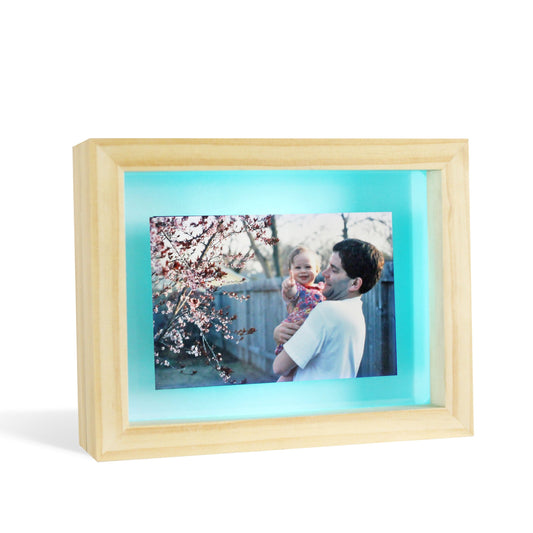
A traditional photo frame is a display object. It holds one or several printed photos and turns them into part of the room. Its value comes from the image, the print quality, and the place where it is displayed. It usually works best as a memory marker for weddings, family milestones, or home decor.
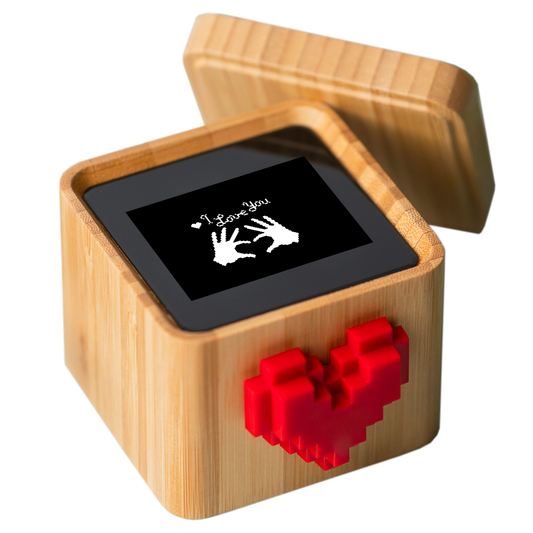
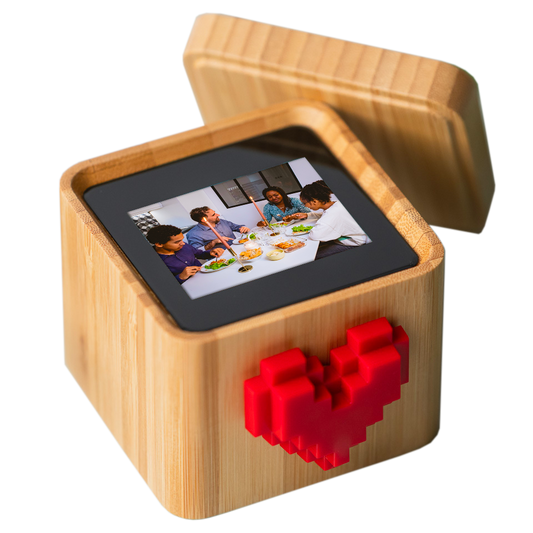
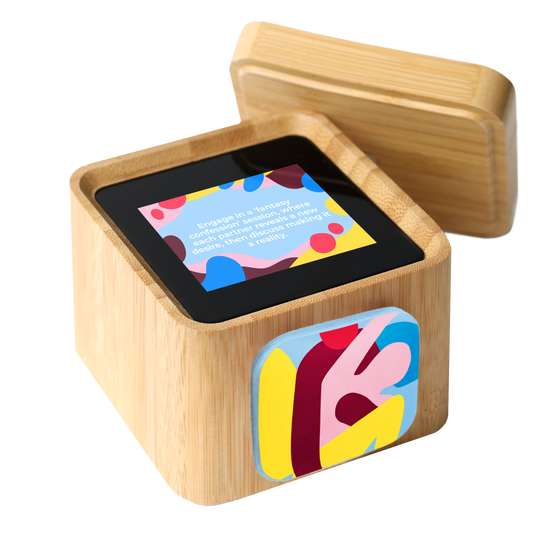
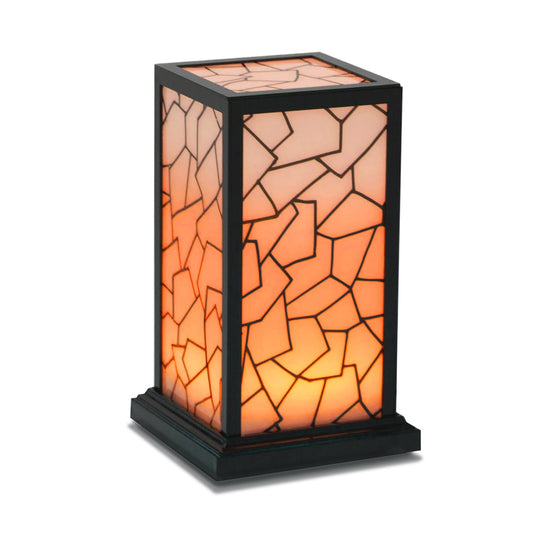
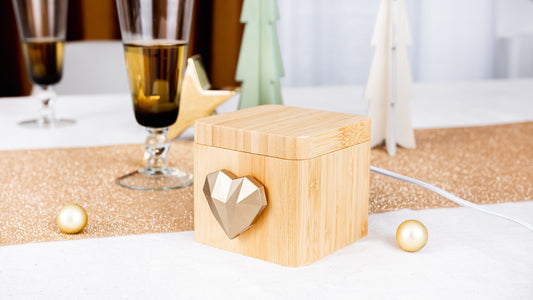
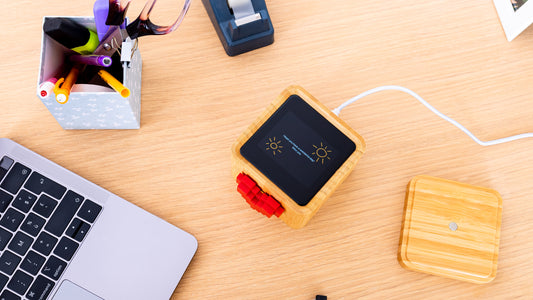
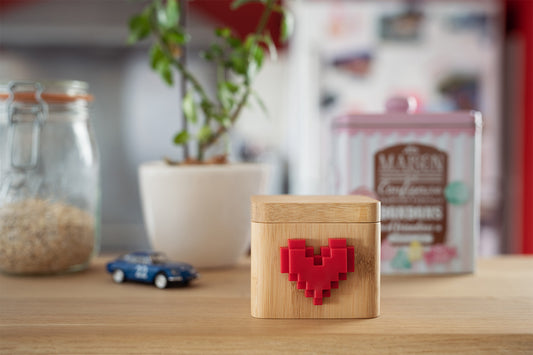
Lovebox is a connected gift. It is designed for sending love notes, photos, and small moments over time. Instead of freezing one memory, it supports an ongoing exchange. That makes it especially relevant for long distance couples, parents and children who live apart, and families who want a lighter daily touchpoint. For people comparing relationship-focused gifts, the article on a gift to send love notes every day shows how this kind of repeated communication changes the experience.
Lovebox vs traditional photo frame: the decision framework
Use a few practical criteria before choosing. That keeps the decision grounded in how the recipient will actually use the gift.
- Purpose. A photo frame preserves a moment. Lovebox supports an ongoing relationship.
- Frequency of interaction. A frame is passive. Lovebox invites repeated use.
- Distance. A frame works well when people share the same space. Lovebox fits better when they do not.
- Personalization. A frame can be customized with a picture and caption. Lovebox can be updated with new messages and images over time.
- Emotional tone. A frame often feels calm and decorative. Lovebox feels more intimate and responsive.
- Home fit. Both can fit into decor, but a frame is more purely visual, while Lovebox adds interaction.
These criteria matter because the right gift depends on the relationship, not only on price or style. A framed photo may be enough for a one-time occasion. A connected object like Lovebox may make more sense when the point is to stay close between visits, travel, or busy schedules. That same logic often appears in connection-first gift choices such as personalized gifts, emotional connection, and thoughtful gifts.
When a traditional photo frame is the better choice
A traditional photo frame is the better option when the message is simple: remember this moment. It works well for a desk, bedside table, or shelf. It also makes sense when the recipient prefers low-maintenance gifts and does not want another device or app to manage.
Frames are strong for anniversaries, graduation photos, family portraits, and home gifts. They are easy to wrap, easy to display, and easy to understand at a glance. The main limitation is that they do not evolve unless the photo is replaced. If the relationship depends on regular contact, a frame can feel beautiful but static.
When Lovebox is the better choice
Lovebox is a stronger fit when the gift needs to carry conversation, not just memory. It works well for long distance relationships, parents who want a warmer way to check in, or grandparents who enjoy simple, recurring messages from family. The emotional value comes from the habit of sending and receiving, not from a single reveal.
This matters when the gift should reduce the feeling of distance. A photo frame can remind someone of a person they love. Lovebox can help that person feel present more often. It adds surprise, rhythm, and a sense of reply. That is especially useful for birthdays, holidays, and everyday check-ins. The best use case is often not the biggest occasion, but the repeated small moment.
Shortlist: 7 ways to think about the right pick
- Choose a frame for display lovers. If the recipient enjoys home decor and prefers objects that blend into a room, a traditional frame is a safe fit. It looks polished and stays out of the way.
- Choose Lovebox for people who value contact. If the recipient likes receiving messages, not just looking at photos, Lovebox adds daily relevance. It becomes part of the relationship instead of only part of the decor.
- Choose a frame for a single milestone. Weddings, newborn photos, and graduation portraits often work well in frames. The gift says that one specific moment matters.
- Choose Lovebox for long distance gifting. If the relationship depends on regular communication, Lovebox turns a gift into a shared ritual. It supports both surprise and consistency.
- Choose a frame when simplicity matters. Some recipients do not want to learn new features. A frame has almost no setup and no learning curve.
- Choose Lovebox when personalization should continue after gifting. It can be updated with new notes and photos, which keeps the gift relevant after the first day.
- Choose either one based on the room and routine. If the item will sit in a quiet space, a frame may fit better. If it will be opened often as part of a routine, Lovebox may create more meaning.
How to personalize each gift without overcomplicating it
Personalization works best when it is specific. For a frame, choose a photo that tells a clear story, then add a short caption or date if the frame allows it. Avoid crowding the design with too many elements. The image should carry the message.
For Lovebox, personalization can be more active. Start with a message that sounds natural to the relationship, not overly formal. Add a photo that will make sense out of context. Then plan a second or third note for later so the gift feels ongoing, not one-time. That is one reason it works well for couples apart, parents, and family members who want a warmer routine.
Recipients who like sentimental objects may appreciate both formats for different reasons. A frame can anchor the memory. Lovebox can keep the connection alive. That combination can also help when choosing between gifts for couples and more practical home items.
Budget and value considerations
Budget is not only about the sticker price. It is also about how much use the recipient gets from the gift over time. A frame may cost less and still feel meaningful if the photo is strong and the presentation is thoughtful. A connected gift may cost more, but it can create repeated emotional value if the recipient actually uses it.
When comparing value, ask three questions. Will the gift be seen often? Will it still feel relevant next month? Does it invite interaction or only display a memory? If the answer is yes to the first two and no to the third, a frame is likely enough. If the gift should spark ongoing contact, Lovebox may justify the higher commitment.
Common mistakes to avoid
- Choosing a frame only because it is familiar. Familiar does not always mean useful. Match the gift to the relationship pattern.
- Buying Lovebox without a use case. A connected gift works best when someone will actually send messages.
- Using a weak photo. A frame depends heavily on image quality. A blurry or low-resolution print reduces the effect.
- Over-personalizing the wrong format. Too many details can make a frame look cluttered, while Lovebox works better with a few clear messages.
- Ignoring the recipient’s habits. A decorative person and a communication-focused person will not react the same way.
How to choose in one minute
If the goal is to preserve one moment, choose a traditional photo frame. If the goal is to maintain emotional connection over time, choose Lovebox. If the recipient lives far away or values surprise messages, Lovebox often becomes the more useful option. If the recipient wants a simple object for the home, the frame may be the better fit.
That one-minute test is usually enough. Think about what the gift should do after it is opened. A frame should be admired. Lovebox should be used again and again. That difference is what makes the comparison useful for product education and gift planning.
Faq
Is Lovebox better than a traditional photo frame?
Lovebox can be better when the goal is ongoing connection. It allows messages and photos to be exchanged over time, which makes it more interactive. A traditional photo frame is better when the goal is simply to display a favorite memory in a clean, familiar format.
The better choice depends on whether the recipient wants a keepsake or a communication tool.
Does a traditional photo frame feel more timeless?
Yes, often it does. A frame is a classic format that fits many homes and occasions. It feels stable and easy to understand. That said, timeless does not always mean more meaningful. If the relationship benefits from regular contact, an interactive gift may feel more current and useful.
The right choice depends on the role the gift should play.
Who is Lovebox best for?
Lovebox is best for people who value emotional messages and repeated contact. It is often a strong fit for long distance couples, parents and children who live apart, and grandparents who enjoy staying close to family. It works especially well when the recipient will appreciate a surprise and not just a static display.
It is less useful when the recipient wants only a decorative object.
Can a photo frame still be a good sentimental gift?
Yes. A photo frame can be very sentimental when the photo is carefully chosen and the moment matters to the recipient. It is a strong option for milestones, home decor, and memory keeping. The main limit is that it does not create new interactions after it is given.
That makes it best for remembering, not exchanging.
Which gift is easier to maintain?
A traditional photo frame is easier to maintain because it needs little to no setup. Lovebox requires a bit more engagement because its value comes from sending messages and photos. For someone who wants a low-effort object, the frame is simpler. For someone who wants ongoing contact, Lovebox can be worth the extra effort.
Maintenance should match the recipient’s habits, not only the giver’s intention.