How to cope with the empty nest feeling when kids leave home
The empty nest feeling parents feel when kids leave the house can bring sadness, relief, pride, loneliness, and uncertainty at the same time. That mix is normal. Coping starts with naming the change clearly, then building new routines, staying connected in healthy ways, and making room for your own next chapter.
Key takeaway: Empty nest feelings are common and usually easier to manage when they are treated as an adjustment, not a problem to hide. A steady routine, honest communication, and a renewed personal focus can reduce the emotional drop.
What the empty nest feeling is
Empty nest feeling is the emotional shift that can happen when children move out for college, work, military service, or independent living. It is not a single emotion. Parents may feel grief, quietness at home, worry about their child, or a loss of daily purpose. Some parents also feel proud and relieved, which can make the transition more confusing.
This feeling usually shows up in daily habits first. Meals feel different. The house is quieter. Parents may notice themselves checking the clock, waiting for updates, or walking past rooms that used to be full of activity. That change can feel sharper when a parent has centered much of adult life around caregiving.
How to cope with the empty nest feeling parents feel when kids leave the house
Coping works best when the response is practical and gradual. The goal is not to erase emotion. The goal is to reduce the sense of loss while building a life that still feels meaningful. A good approach combines emotional awareness, new structure, and healthy connection with the child who left home.
Use a simple framework before trying new routines. First, accept the feeling instead of arguing with it. Second, protect the relationship without monitoring it. Third, rebuild the shape of the day. Fourth, reconnect with identity, interests, and people outside parenting. These four steps help the transition feel less abrupt.
1. Name the loss honestly
Denial often keeps empty nest feelings active longer. Naming the loss can sound as simple as saying, “Home feels different now.” That statement can open space for grief without turning it into panic. It also makes room for pride, because a child leaving home is both a separation and a sign of growth.
Journaling can help here. Write down what changed in the household, what is missed most, and what remains strong. This can clarify whether the hardest part is loneliness, worry, boredom, or a change in identity.
2. Keep a connection rhythm that respects adult independence
Regular contact can soothe the transition, but too much contact can create tension. A simple rhythm works better than repeated check-ins. Agree on a weekly call, a standing text day, or a monthly visit plan if possible. That kind of structure gives parents reassurance and gives children room to build their own lives.
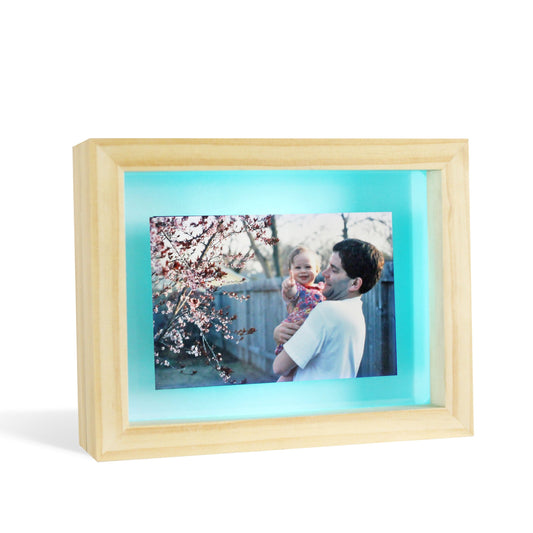
For families who want a more personal way to stay close, a family gift to share photos and messages at home can keep small moments flowing without demanding constant conversation. It is especially useful when the child is away often, because it turns brief updates into a visible daily connection.
3. Rebuild the home routine
Many parents feel the quiet most during formerly busy hours. Fill those hours with repeatable anchors. Set a new breakfast time, schedule walks, return to hobbies, or plan evening activities that do not depend on your child’s schedule. Predictable routines lower the emotional drift that often follows big family change.
Keep some home rituals intact, but adapt them. A Sunday dinner may become a video call dinner. A family movie night may become a shared watch list. This preserves continuity while acknowledging that the household has changed.
4. Protect the relationship from overchecking
Parents often worry that less contact means less closeness. That is not always true. Adult children usually stay more open when they feel trusted rather than tracked. If the urge to ask for updates is strong, pause and ask whether the message is about care or anxiety. That short pause can prevent accidental pressure.
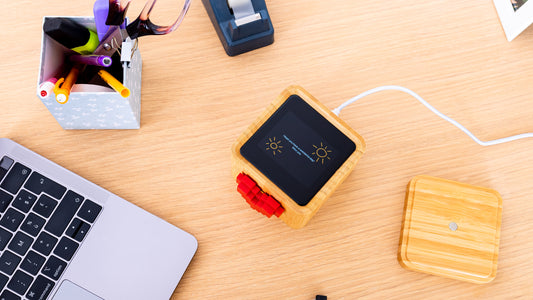
When communication is thoughtful and predictable, it can feel supportive instead of intrusive. This is where a tool like Lovebox can be practical for families who want low-pressure, meaningful contact. It allows small notes, encouragement, and photos to arrive in a warm, visible way that fits busy schedules.
5. Invest in interests that were put on hold
Empty nest periods often reveal how much personal life was postponed. Start with one interest that feels realistic. That may be cooking, gardening, exercise, travel planning, volunteering, classes, or faith-based community work. The point is not productivity for its own sake. The point is to restore a sense of self outside the parent role.
Choose activities that have a beginning and an end. Small wins matter more than ambitious changes at first. A weekly class or a neighborhood walk group can create momentum without feeling overwhelming.
6. Strengthen your support system
Many parents try to manage empty nest feelings privately, which can make them heavier. Talking with a partner, sibling, friend, counselor, or support group often helps normalize the adjustment. A trusted conversation can reduce the pressure that comes from believing other people handled it with ease.
If the home also feels different because communication has become distant, it may help to read related guidance like how to stay connected to kids when divorced. The situation is different, but the communication principles can still be useful when a parent needs steady, healthy contact across distance.
7. Let pride and grief coexist
Some parents feel guilty for being sad after a child leaves. That guilt is common, but sadness does not cancel pride. A child becoming independent means the parenting work succeeded. It also means the parent is facing a major role change. Both truths can exist at once.
Allowing mixed feelings makes the transition more manageable. If the emotional swing feels intense at specific times, such as holidays, birthdays, or first weeks away, plan ahead for those dates rather than waiting for them to hit unexpectedly.
Practical ways to make the transition easier
Several small habits can reduce empty nest stress in everyday life. Use them consistently rather than all at once. The best results often come from steady repetition, not dramatic reinvention.
- Create a weekly anchor. Pick one recurring event such as a walk, meal, class, or call. A fixed anchor helps the week feel less empty.
- Set communication expectations. Decide how often to check in so both sides know what to expect.
- Refresh shared spaces. Rearranging a bedroom or family room can make the home feel lived in again.
- Plan future visits. Having the next visit on the calendar reduces uncertainty.
- Keep a memory ritual. Photos, notes, or a small display can honor the family story without keeping the past frozen.
For some parents, a thoughtful daily reminder from gift to send love notes every day can serve as a low-effort ritual. It works well when distance has become part of family life and the goal is to keep affection visible, not overwhelming.
Common mistakes to avoid
One common mistake is treating the child’s move as a rejection. Most young adults leave home to build independence, not to withdraw love. Another mistake is filling every quiet moment with worry, which can turn normal adjustment into constant stress.
It also helps to avoid making the child responsible for managing the parent’s entire emotional state. Support is healthy. Emotional dependence is not. Keep the relationship warm, but give the child room to become an adult.
Another mistake is rushing into drastic life changes before the emotional dust settles. Some parents immediately overhaul routines, homes, or relationships. Slower changes are usually easier to sustain because they reflect real needs, not a temporary reaction.
When extra support may help
Most empty nest feelings ease with time, routine, and connection. Extra support may help if sadness lasts for weeks without improvement, sleep is affected, appetite changes, or daily motivation drops sharply. A mental health professional can help separate normal adjustment from depression or anxiety.
Support is also useful when the transition exposes deeper issues, such as relationship strain, unresolved grief, or a long period of putting personal needs aside. Addressing those issues early can prevent the empty nest from becoming a bigger emotional block.
Faq
How long does empty nest feeling usually last?
There is no fixed timeline. Many parents feel the strongest emotions in the first weeks or months after a child leaves, then notice gradual improvement as routines settle. The feeling can return during holidays, visits, or major milestones. What matters most is whether day-to-day life starts feeling stable again.
If the feeling stays intense or keeps growing, outside support may be useful.
Is it normal to feel both proud and sad?
Yes. That mix is one of the most common parts of empty nest adjustment. Pride reflects the child’s growth. Sadness reflects the parent’s role change and the quiet that follows. Feeling both does not mean something is wrong. It usually means the transition is meaningful.
Mixed emotions often soften when they are named directly instead of judged.
Should parents contact their child every day?
Daily contact can work for some families, but it is not necessary for a close relationship. A steady schedule that respects the child’s independence is usually healthier. Weekly calls, occasional texts, and planned visits often keep the bond strong without adding pressure.
The best rhythm depends on temperament, distance, and the child’s new schedule.
What helps most when the house feels too quiet?
Structure helps most. Fill the day with repeatable habits, social contact, and one or two activities that feel personally meaningful. Silence often feels heavier when the day has no shape. A routine can make the home feel calmer and less empty.
Adding a small connection ritual with the child can also make the quiet feel less sudden.
When should professional help be considered?
Professional help is worth considering if sadness becomes persistent, daily functioning drops, or worry turns into constant distress. It is also a good option if the empty nest feeling triggers unresolved grief or long-term loneliness. Early support can make the adjustment smoother.
A therapist or counselor can help build coping strategies that fit the parent’s life and family dynamic.
Conclusion
Cop ing with the empty nest feeling parents feel when kids leave the house is usually about balance. Keep the relationship warm, but let it grow into an adult connection. Build a new rhythm, reconnect with personal interests, and accept that pride and grief can live side by side. With time, the home can feel different without feeling empty.