Best ways to cope with distance in long distance relationship
The best ways to cope with distance in long distance relationship usually start with structure, not intensity. Couples often do better when they agree on communication, create predictable rituals, and give each other a clear sense of when the next reunion or check-in will happen. Distance is easier to manage when it feels planned, not random.
Key takeaway: Distance becomes more manageable when both partners replace uncertainty with routines, honest expectations, and shared plans. Small, repeatable habits often protect the relationship better than occasional big gestures.
Best ways to cope with distance in long distance relationship
Distance affects couples in different ways. Some feel lonely. Others feel disconnected, misunderstood, or stuck in constant waiting. The goal is not to remove the distance. The goal is to reduce the stress it creates, so the relationship still feels steady and emotionally safe.
That usually means focusing on a few basics at once. Communication needs to be realistic. Time together needs to be planned. Emotional support needs to be direct. A supportive routine can also help, especially when couples use tools and rituals from resources like ways to stay connected in a long-distance relationship, how to stay emotionally connected in a long-distance relationship, and cute connection rituals long-distance relationship.
What coping with distance really means
Coping with distance does not mean pretending the gap is easy. It means building habits that make separation feel less unstable. That includes knowing when to talk, what to share, how to handle conflict, and how to stay present in each other’s lives without pressure to be available all day.
For many couples, the biggest challenge is not love. It is ambiguity. One partner wants more contact. The other needs more space. One sees silence as normal. The other sees it as a warning sign. Coping well means removing guesswork wherever possible.
How to decide what kind of support you need
Before choosing any strategy, it helps to name the main problem. Some couples need more emotional closeness. Others need better time management. Some need reassurance after time zone changes or travel stress. A simple framework can help:
- Communication stability: Decide how often you text, call, or video chat.
- Emotional reassurance: Share what each person needs to feel secure.
- Shared rhythm: Build routines that make the relationship feel active.
- Future planning: Talk about visits, milestones, and eventual proximity.
- Personal balance: Keep work, friends, and hobbies in place.
This framework works because it separates the relationship from the distance. The distance may be fixed for now, but the way it is managed can change.
Practical ways to cope with distance
1. Set a communication rhythm you can actually keep
It helps to decide when to talk, rather than trying to talk constantly. Some couples do best with a morning message and an evening call. Others prefer longer conversations a few times a week. The right rhythm is the one both partners can sustain without resentment.
Predictability lowers anxiety. It also reduces the chance that one partner will interpret delayed replies as lack of interest. If schedules are busy, a brief update can be enough to keep the bond steady.
2. Use video calls for depth, not just frequency
Video calls work best when they have a purpose. A call can be used for a meal together, a planning session, or a quiet evening on speaker while both partners do something simple. This makes the call feel like shared time instead of a forced performance.
Long calls every night are not necessary for every couple. In fact, short and meaningful calls often work better than long, draining ones. Quality tends to matter more than duration.
3. Keep a shared calendar for visits and important dates
One of the hardest parts of distance is not knowing what comes next. A shared calendar can make the future visible. Add visits, anniversaries, job changes, and other dates that matter to the relationship.
This can also reduce conflict. If both partners know when the next reunion or check-in is coming, there is less pressure to negotiate plans repeatedly. Many couples also pair this with resources like how to make long distance work and long-distance relationship messages for lasting connection to keep the emotional side of planning strong.
4. Create small rituals that repeat every week
Rituals give the relationship a familiar shape. That could be a Sunday coffee call, the same song before bed, or a shared photo each Friday. Rituals work because they create continuity, even when the schedule changes.
This is one of the most practical answers to distance because it turns effort into habit. Couples do not need to invent something new every time they want to feel close. Repetition can be comforting.
5. Send thoughtful reminders that do not require immediate replies
Not every message needs a back-and-forth. A photo of a daily moment, a voice note during a commute, or a quick note about something funny can keep connection alive without adding pressure. This helps especially when one partner has a heavier workload or different time zone.
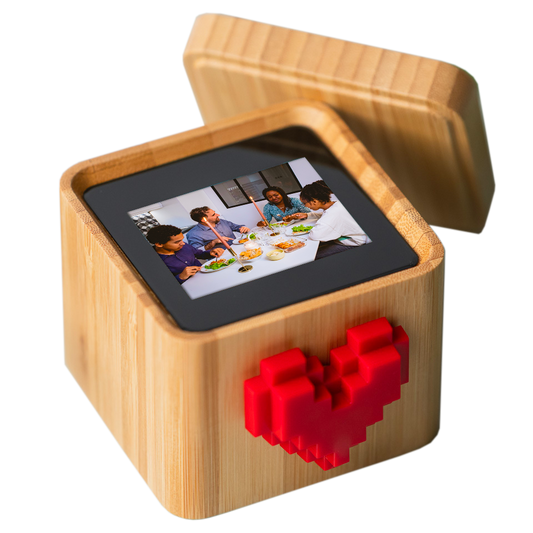
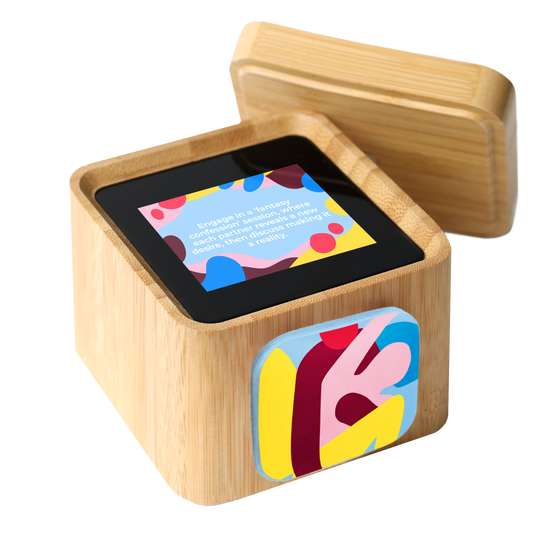
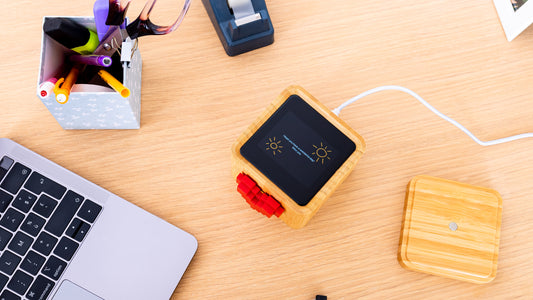
When a relationship needs a more tangible touchpoint, a connected device like Lovebox can be useful. It lets couples send short messages that feel more personal than a standard text, which can be helpful for emotional communication and thoughtful surprises. That kind of steady presence often matters more than grand gestures.
6. Make reunions part of the emotional plan
Visits are easier to enjoy when they are planned with care. That means discussing sleep, budgets, activities, and expectations before the trip. Unclear reunions can create pressure, especially if one partner expects constant romance and the other needs downtime.
It also helps to talk about the return trip before the visit starts. Knowing when the next goodbye will happen can reduce emotional whiplash and make the time together feel more grounded.
7. Protect your individual life
Distance can turn the relationship into the center of every day. That often creates more anxiety, not less. Personal routines, friendships, exercise, and hobbies help keep identity intact. A fuller life usually makes waiting easier.
This is not a sign of emotional detachment. It is a way to stay healthy enough to show up well in the relationship. Couples who keep their own lives active often have more to share and less pressure to fill every empty hour with contact.
8. Talk openly about insecurity before it grows
Unspoken doubt tends to become resentment. If a message style feels too dry, if a promise feels vague, or if a reunion plan keeps shifting, say so early. Use specific language and focus on the behavior, not the person.
For example, “Late replies make me feel uncertain. Can we agree on a time to check in?” is clearer than “You never care.” Honest language makes distance easier to manage because it gives both partners something concrete to solve.
9. Plan for the future in small steps
Distance feels lighter when it is connected to a realistic plan. That plan does not need to be dramatic. It can include the next visit, a possible move, a job search, or a savings target. Progress matters more than speed.
Future planning gives the relationship direction. Without it, distance can feel endless. With it, the separation becomes a stage rather than a permanent condition.
Common mistakes couples make with distance
Many long-distance couples struggle more because of avoidable habits than because of the distance itself. The most common mistake is assuming the other person should automatically know what is needed. Another is making contact unpredictable, then treating the resulting anxiety as a personal flaw.
Other common problems include using texting as the only form of connection, ignoring time zone differences, or avoiding hard conversations to keep the peace. Silence can feel easier in the moment, but it often creates more confusion later.
- Do not use constant messaging as a substitute for real connection.
- Do not leave reunion plans vague for too long.
- Do not treat different communication styles as proof of incompatibility.
- Do not let every conversation become a check on commitment.
How to keep distance from taking over the relationship
The relationship should still have room for normal life. Talk about work, friends, routines, and everyday details, not only about missing each other. Shared normality makes the bond feel more like a relationship and less like a countdown.
It also helps to build a few dependable touchpoints that feel special. Some couples use voice notes, surprise photos, or a handwritten letter. Others prefer a steady digital routine through connection rituals that fit their schedule. The point is to create familiarity that survives the distance.
When extra support may help
If distance is causing frequent conflict, intense anxiety, or constant doubt, outside support can help. That may mean a trusted friend, a couples counselor, or a more structured conversation about expectations. It is better to address stress early than to let it shape every interaction.
Extra support may also help when the distance is temporary but demanding, such as during travel-heavy work, school, or family transitions. In those cases, the issue is often not the relationship itself, but the lack of a clear coping plan.
FAQ
What is the most important way to cope with distance in a long distance relationship?
The most important step is to create a communication rhythm both partners can keep. Predictable contact usually reduces uncertainty, which is one of the biggest sources of stress in long-distance couples. A realistic routine is often better than frequent but inconsistent messaging.
If both partners know when to expect connection, they can relax more between conversations.
How often should long-distance couples talk?
There is no single rule. Some couples talk daily, while others stay connected with a few planned calls each week. The best schedule depends on work, time zones, and emotional needs. The key is consistency and mutual agreement, not matching someone else’s routine.
If contact becomes a source of tension, the schedule may need to be simplified.
Can small rituals really help with distance?
Yes. Small rituals can make the relationship feel stable and familiar. A weekly call, a shared playlist, or a nightly voice note can create rhythm and comfort. These habits matter because they reduce the sense that the relationship is always starting over.
Rituals work best when they are easy enough to repeat.
How do you stop feeling lonely in a long distance relationship?
Loneliness often eases when the relationship has structure and your own life stays active. Stay connected through planned communication, but also keep friends, hobbies, and routines that support you outside the relationship. That balance can reduce the feeling of waiting all the time.
If loneliness becomes persistent, it may help to discuss reassurance and expectations more directly.
What should couples do when distance starts causing conflict?
Start by naming the specific issue. It may be reply timing, unmet expectations, or unclear plans. Then agree on one change that is easy to test for a week or two. Small adjustments are usually more effective than trying to fix everything at once.
If the same conflict keeps returning, the couple may need a deeper conversation about compatibility and long-term plans.
Final thoughts
The best ways to cope with distance in long distance relationship are usually practical, repeatable, and honest. Couples do best when they turn uncertainty into structure, use rituals to stay emotionally present, and keep the future visible. Distance may change the shape of the relationship, but it does not have to weaken its quality.
For couples looking for a more personal way to stay connected, a thoughtful tool like Lovebox can support daily communication without making every check-in feel routine. Used well, it can add warmth, consistency, and a sense of presence that fits real life.